

Check out what conversational marketing is, the benefits delivered by the strategy, and how to apply it in your company.
In digital marketing, where personalized interaction and audience engagement are fundamental, conversational marketing stands out as a powerful strategy for brands to connect authentically with potential customers.
Based on dialogue, this approach uses channels such as chatbots, social networks, and instant messaging to create real-time interactions that are personalized and relevant to each individual.
But if you’re still unsure exactly how this strategy works, in this article we’ll explore the concept of conversational marketing, focusing on its advantages and how brands can effectively implement this approach. Follow along below.
What is Conversational Marketing?
As mentioned above, conversational marketing focuses on direct and personalized interaction with consumers, using tools and technologies that allow real-time dialogues.
In other words, instead of sending one-way or impersonal messages, this strategy creates more humanized experiences similar to a natural conversation between the brand and the customer. Thus, among its main features, it is worth highlighting:
- real-time interactivity with responses to consumer questions, offering support and relevant information at the right moment.
- personalization through tools such as chatbots and marketing automation, it is possible to adapt messages and recommendations based on the individual preferences and behaviors of clients.
- diverse channels this type of marketing is conducted through a variety of channels, including live chat on the website, messaging apps, social networks, and virtual assistants, to be present where clients prefer to interact.
- active listening which involves actively hearing the needs and desires of clients during interaction, allowing brands to provide relevant responses and personalized solutions.
- relationship building by creating a closer and personalized experience, contributes to the development of long-lasting relationships between the brand and consumers.
From these characteristics, conversational marketing represents an evolution in digital, prioritizing human interaction, personalization, and quick response to customer needs to provide a more engaging and satisfying experience.
What is a chatbot?
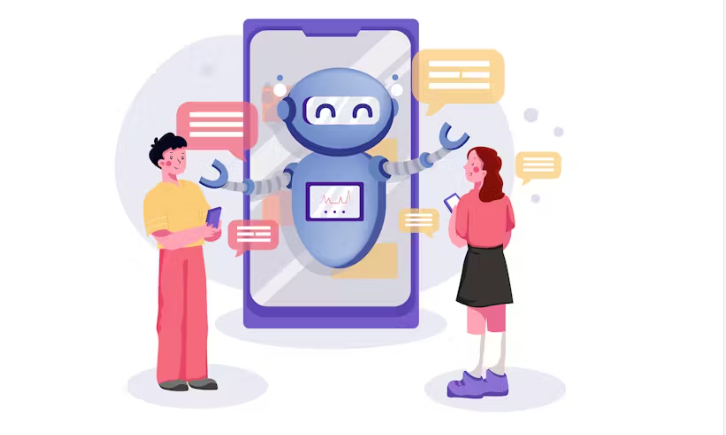
When we talk about conversational marketing, we cannot fail to specifically mention chatbots, computer programs designed to simulate a human conversation through messaging interfaces such as live chat on websites, instant messaging apps, or social networks.
Powered by predefined rules or artificial intelligence (AI), they are capable of interpreting and answering users’ questions, executing specific tasks, providing information, and even conducting transactions, all in an automated and practical manner.
Thus, they can be used in a variety of contexts such as customer service, technical support, sales, appointment scheduling, among others. Additionally, they deliver a series of benefits for brands seeking greater efficiency and personalization in conversational marketing, as we will explain further below.
Benefits of using conversational marketing chatbots
Among the great advantages that chatbots offer in the context of conversational marketing, the following are worth highlighting:
- automatically responding to customer questions at any time of the day or night, 24/7, which improves availability and provides a more satisfying service experience.
- instant delivery of responses to consumers, reducing wait time and increasing service efficiency.
- as they handle multiple interactions simultaneously, chatbots allow brands to handle a large volume of inquiries efficiently without the need to significantly increase support staff.
- use of AI algorithms to personalize interactions based on preferences and history of the customers, offering recommendations and relevant information in an individualized manner.
- reduction of operational costs for companies, as they automate tasks that would otherwise require human resources.
- can be used to initiate conversations with website visitors, collect information, and qualify leads based on predefined criteria, increasing conversational sales opportunities.
- can provide technical support initially, helping customers solve common issues on their own, which reduces the need for human assistance.
- collection of valuable data on user behavior and interactions with clients, providing insights that can be used to improve marketing strategies and develop products.
In other words, chatbots are an essential tool in conversational marketing as they help brands improve interaction with customers and boost engagement and sales in a scalable and automated way.
How to use conversational marketing
Now that you know what conversational marketing is and how the chatbot is relevant to this process, it’s time to check out tips for applying effective strategies in this area. Let’s go.
1 Humanize the interaction
Even when using chatbots, it’s important to maintain a humanized approach in responses. In this way, use friendly and empathetic language to create a closer experience for customers.
2 Respond in real-time
Send quick responses to customer messages and interactions to keep the conversation active and satisfying. After all, consumers value speed and efficiency in service when they evaluate a company.
3 Segment and personalize
Use customer data to segment your messages and personalize interactions. This way, you can offer recommendations and relevant content based on users’ individual interests and behaviors.
4 Offer proactive support
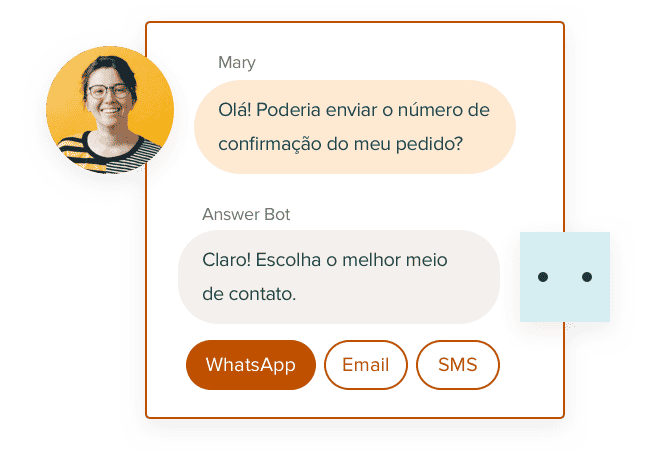
In addition to responding to inquiries, chatbots can proactively initiate conversations with website visitors, offering assistance or recommendations based on pages viewed or actions taken. Check out below the example of RD Station, which uses this type of support on its site.

5 Integrate across different channels
Take advantage of conversational marketing across multiple channels such as websites, messaging apps, social networks, and emails, to be present where clients prefer to interact.
6 Collect feedback in real-time
By using chatbots, you can collect feedback from customers during or after an interaction, allowing for more agile identification of areas for improvement and adjustment of marketing strategies.
7 Automate sales processes
As mentioned above, in addition to offering support, chatbots can assist in the sales process by guiding customers through the funnel, making product recommendations, and assisting with transactions.
8 Learn and optimize continuously
Finally, one should take advantage of analytics and metrics to assess the performance of chatbot interactions and adjust conversational marketing strategies based on the insights obtained.
By effectively implementing conversational marketing and monitoring its results, brands can build stronger relationships with customers, increase satisfaction and loyalty, and drive sales growth through more personalized and engaging interactions.
Conversational marketing tools
For those who want to apply conversational marketing strategies simply and efficiently, there are also numerous tools available on the market today. Below, we have selected four for you to get to know.
- RD Station Conversas: developed by TALLOS, it integrates all channels, including WhatsApp, to offer 24/7 service and help generate conversational sales.
- Zendesk: offers a complete solution with the addition of chats to the website and integration with the main social networks. Additionally, it provides personalization options and centralizes the workspace for attendants in one place.
- Leadster focuses on increasing the conversion of qualified leads through the use of chatbots.
- Jivochat: proposes the union of all company service channels into a single platform to save time for the team and also increase productivity.
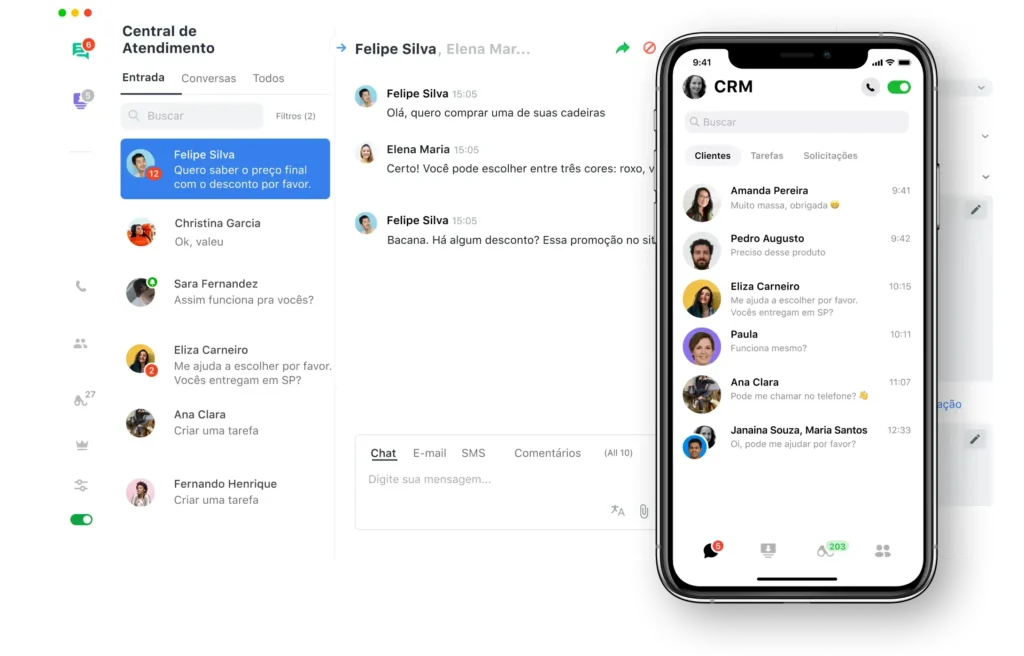
As you can see, conversational marketing has been gaining more and more tools focused on offering the best customer service, support, and sales process.
Thus, it is a trend that will increasingly gain space in digital marketing, especially with the strengthening of artificial intelligence and the ability to further personalize the messages delivered to consumers.
Did you enjoy learning about the benefits of conversational marketing? Take advantage and also read Social Listening: what it is, how to do it, and its importance.